
Xiaomi and MiniMax both unleash their ultimate moves, signaling the start of the Agent Pricing War.

 Prefer us on Google


On March 18 and 19, two Chinese companies successively released their respective Agent-oriented large models. The domestic AI startup MiniMax launched M2.7, and Xiaomi's large model team MiMo introduced V2-Pro. Both models entered the global top tier in the Agent benchmark, but their API output pricing is 1/21 and 1/8 of Claude Opus 4.6, respectively.
Both companies played their cards in the same week, but with completely different hands. They represent two completely different technical paths, betting on two futures of the Agent era.
Same Exam, 1/17 Tuition Fee
First, let's look at the most intuitive comparison.
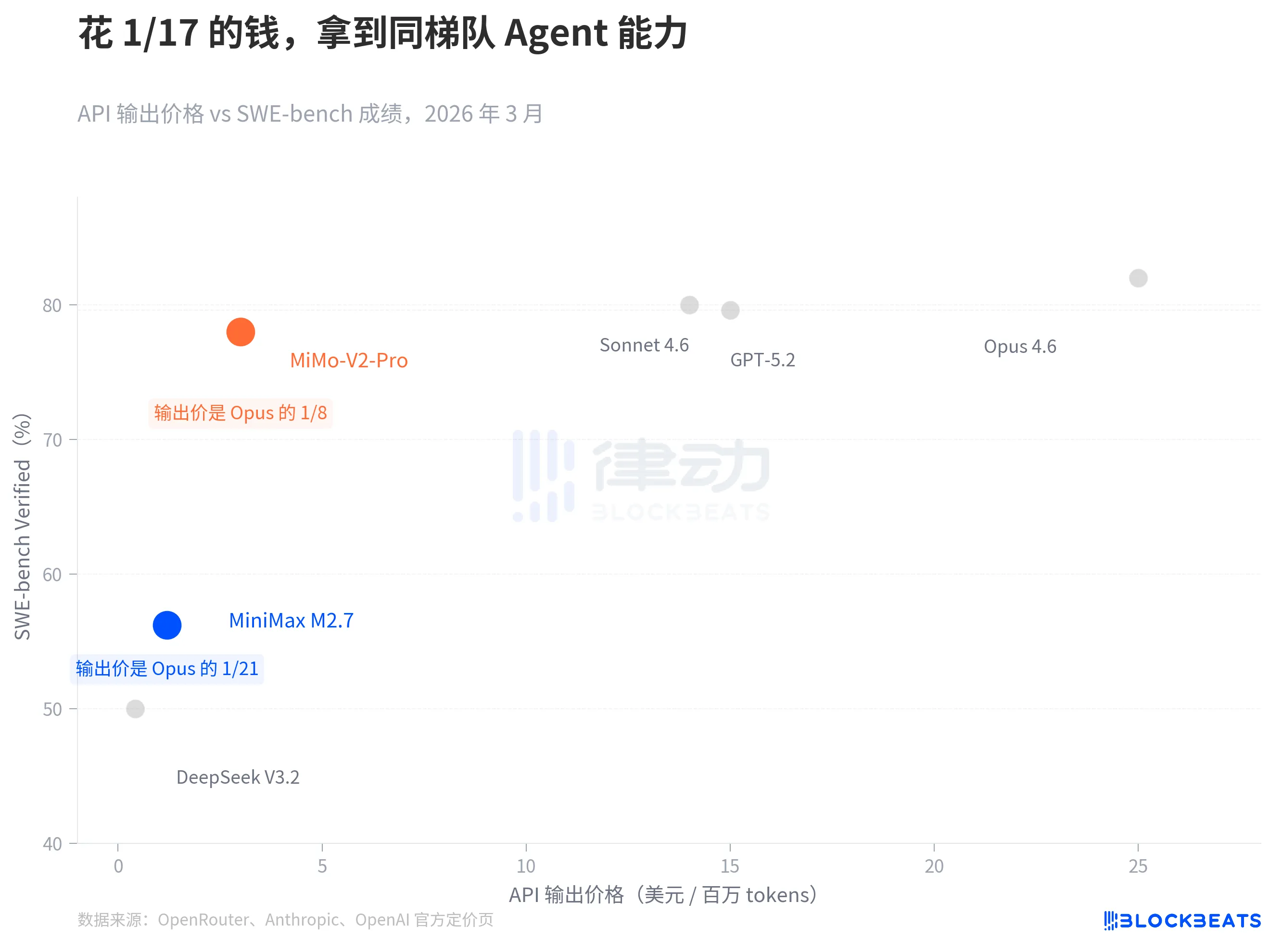
According to OpenRouter and various company official pricing pages, based on API output price (per million tokens), MiniMax M2.7 is $1.2, and MiMo-V2-Pro is $3. As a reference, the output price for Claude Opus 4.6 is $25, GPT-5.2 is $14, and Claude Sonnet 4.6 is $15.
The price difference is an order of magnitude, but the performance difference is not. In SWE-bench Verified (the current mainstream benchmark for measuring code engineering capability), MiMo-V2-Pro scored 78%, Sonnet 4.6 was 79.6%, a difference of less than two percentage points. M2.7's SWE-Pro score is 56.22%, on par with GPT-5.3-Codex. In VIBE-Pro (end-to-end project delivery capability), M2.7 scored 55.6%, approaching the level of Opus 4.6.
The focus of this chart is not on who is higher or lower—the benchmark systems of various companies are not entirely aligned, so direct comparisons should be cautious. The focus is on the "price-performance scissor difference": domestic Agent models have squeezed into the same performance band, but are in completely different price ranges.
Trillion Parameters vs. Self-evolution
Price is just the surface. The two companies have presented two completely different sets of trump cards.
MiMo-V2-Pro follows the "go big or go home" route. According to Xiaomi's official announcement, V2-Pro has over 1 trillion total parameters, 42B activation parameters, and supports an ultra-long context of 1 million tokens. Its core innovation is the Hybrid Attention mixed attention mechanism, adjusting the ratio of Sliding Window Attention (SWA) to Global Attention (GA) to 7:1—its predecessor V2-Flash was 5:1. This architecture makes the model more stable in scenarios where long documents are processed and multiple tool parallel calls in the Agent scene. In PinchBench (Agent tool invocation capability assessment), MiMo-V2-Pro scored 84%.
M2.7 took a completely different path. According to MiniMax's official tech blog post on March 18, M2.7's parameter count was not disclosed, but it demonstrated a "self-iterative evolution" mechanism: the model autonomously ran over 100 optimization loops, including analyzing failure trajectories, planning modifications, modifying its own code architecture, running evaluations, and looping again, ultimately achieving a 30% performance improvement on an internal evaluation set. In the MLE Bench Lite (Machine Learning Contest Difficulty Assessment), out of 22 challenging problems, M2.7 secured 9 gold, 5 silver, and 1 bronze, with an average medal rate of 66.6%.
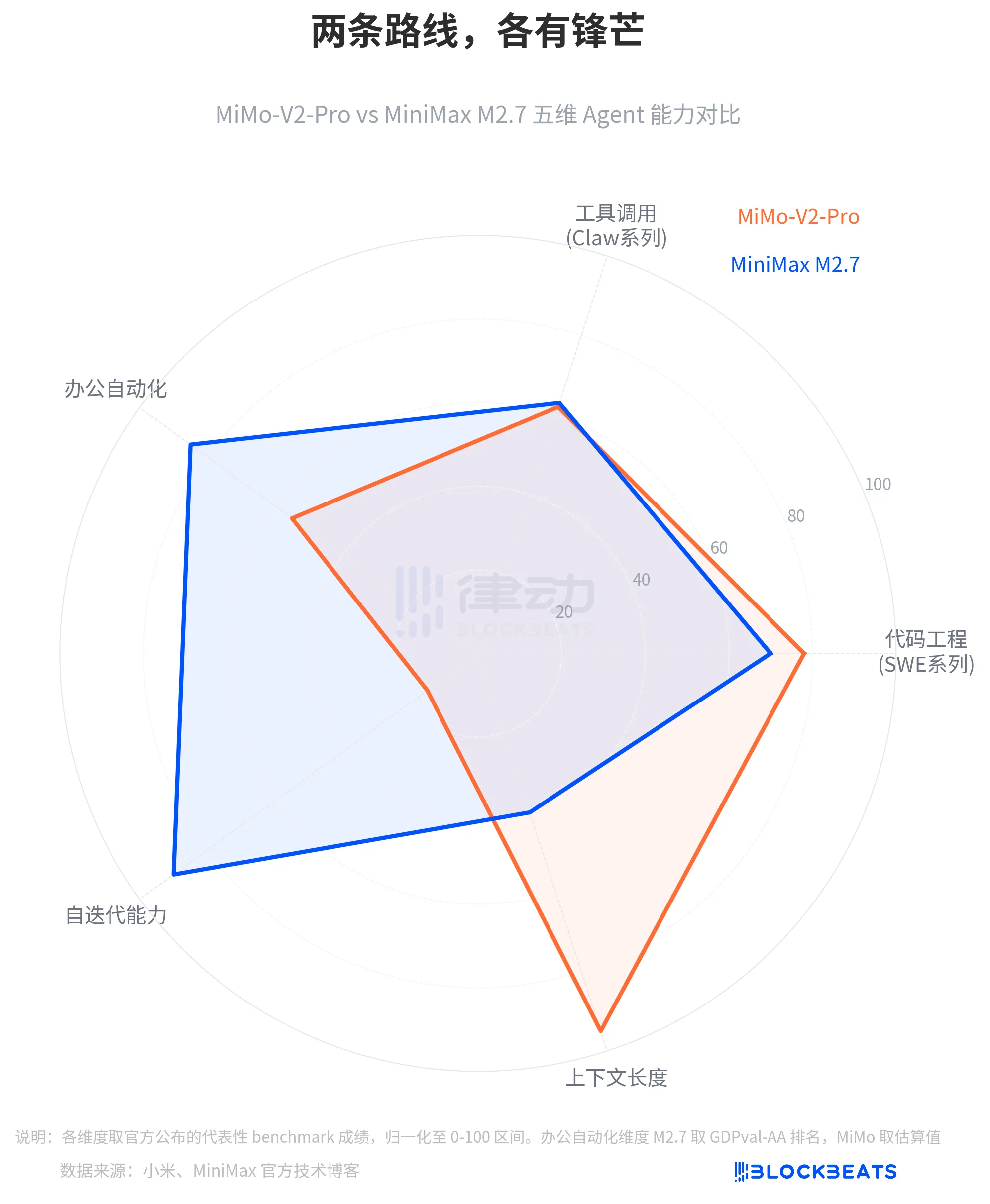
From five dimensions, the two paths are aimed in completely different directions: MiMo-V2-Pro clearly dominates in context length and code engineering dimensions, while M2.7 widens the gap in office automation and self-iterative capability. According to MiniMax's same tech blog post, M2.7 scored ELO 1495 on GDPval-AA (Office Document Processing Evaluation), ranking first among open-source models, and maintained a 97% skill compliance rate in the MM-Claw test covering over 40 complex skills.
Four Versions in Five Months
Not only are the technical paths of the two companies different, but their iteration rhythms are also completely different.
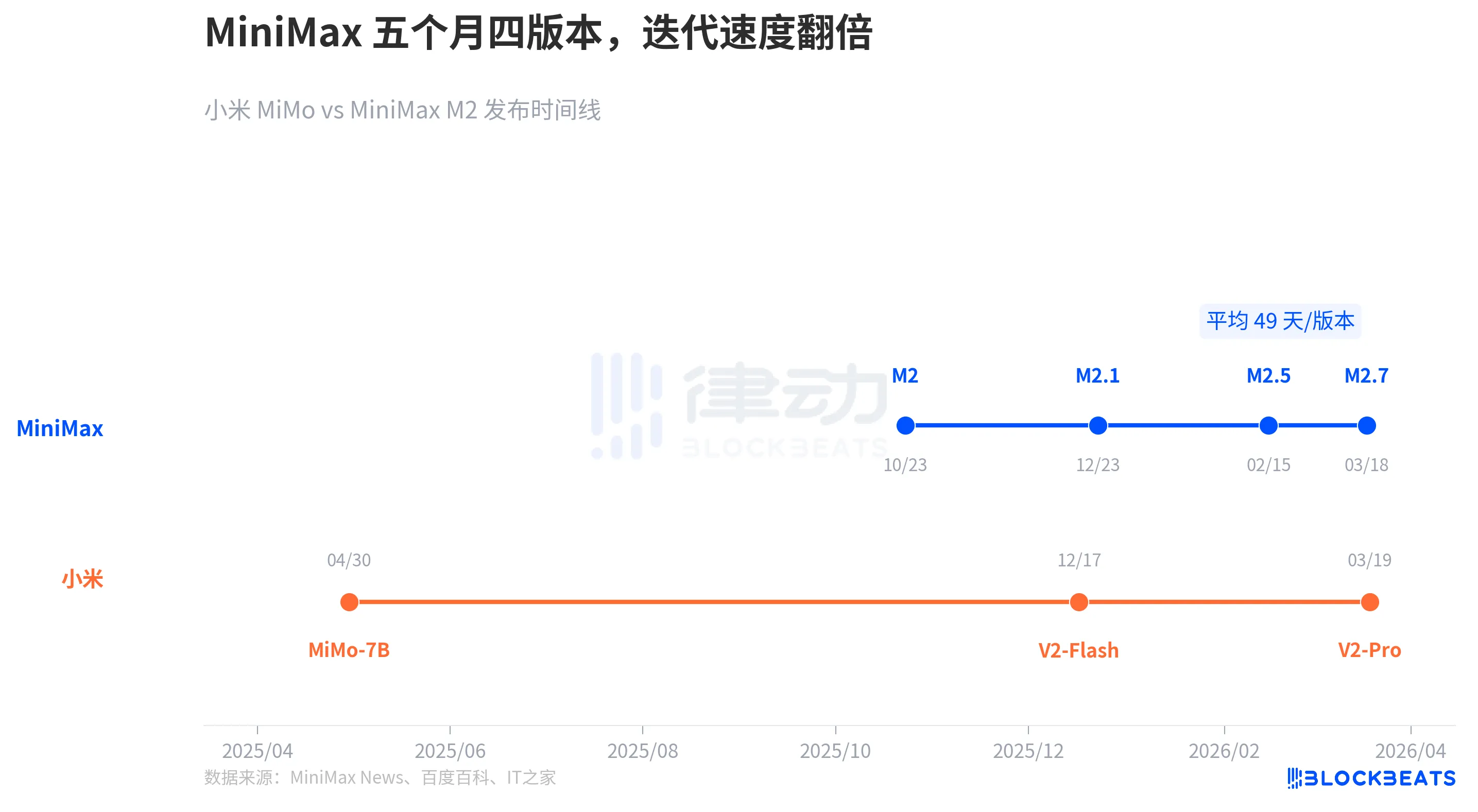
According to public release records, from the release of M2 in October 2025 to the release of M2.7 in March 2026, MiniMax iterated four versions within five months, averaging a major version every 49 days. The gap between M2.5 and M2.7 was only about 30 days.
The rhythm of Xiaomi's MiMo is different: MiMo-7B was released in April 2025 (an open-source inference model with 7B parameters), V2-Flash was released in December of the same year (with 309B total parameters), and V2-Pro was released in March 2026 (with 1T total parameters). The parameter scale between each generation is much larger, but the intervals between versions are also longer.
MiniMax chose small, frequent steps, with each iteration not making big leaps but at a very high frequency. M2.7's self-iterative mechanism itself is designed for "continuous evolution." Xiaomi opted for a more impactful approach, with each version featuring significant changes in parameter scale and architecture.
Anonymous 8 Days, Summit OpenRouter
In addition to the technical roadmap, Xiaomi's release strategy has also broken industry conventions.
According to Reuters, on March 11, an anonymous model named Hunter Alpha appeared on the world's largest API aggregation platform, OpenRouter. No brand endorsement, no product launch event, no technical blog. Its API pricing was extremely low, yet its performance was surprisingly strong.
The community began to speculate about its origins. According to Republic World and several tech media reports, the most mainstream speculation was DeepSeek V4, as MiMo team leader Luo Fuli had previously worked on research at DeepSeek. The number of API calls quickly skyrocketed, with the total number of calls during the anonymous period exceeding 1 trillion tokens, reaching the top of the OpenRouter weekly rankings.
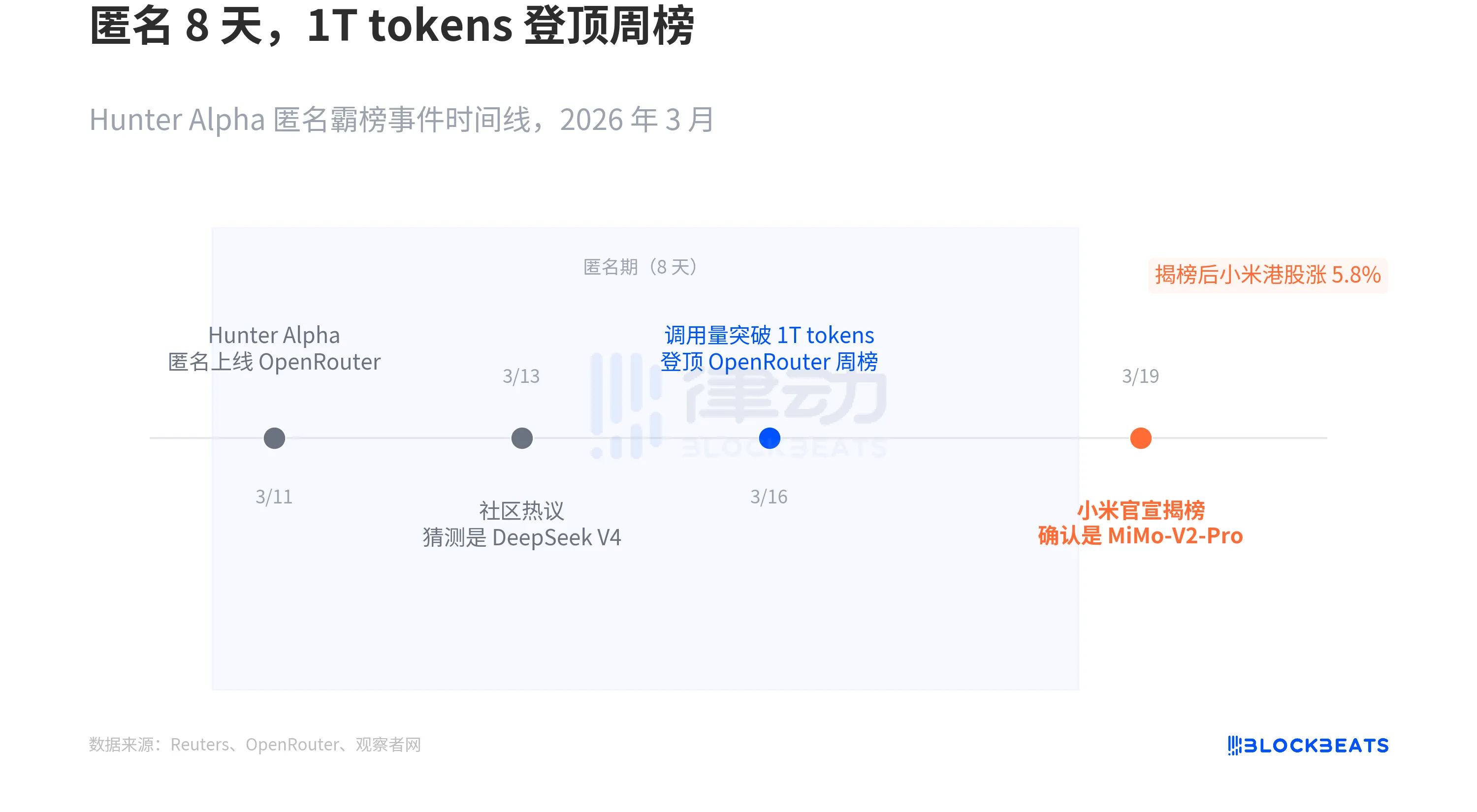
Early on March 19, Xiaomi revealed: Hunter Alpha is indeed MiMo-V2-Pro. According to the same Reuters report, Xiaomi's Hong Kong stock once surged by 5.8% after the revelation.
This is the first time a domestic large-scale model has proven itself on a global platform through purely blind testing. Not relying on the brand, not relying on publicity, it took 8 days to let developers vote with their feet.
Disclaimer: This content is provided for general branding and informational purposes only and doesn't constitute financial, investment, legal, or tax advice. Any events, rewards, online events, or related information mentioned herein should not be considered a recommendation, solicitation, or invitation to purchase, sell, trade, or otherwise deal in any crypto assets or to use any services. Crypto assets are highly volatile and may result in loss. WEEX services and online events may not be available in all regions and are subject to applicable laws, regulations, and eligibility requirements. You are responsible for ensuring that your use of WEEX services complies with local laws and for carefully assessing the risks before participating in any crypto-related activities.
You may also like

What is SCEX? The Cryptocurrency Exchange for Vietnam's Market by Sacombank
Major Update for ChatGPT: Cross-Platform Functionality, One-Click Website Creation, and Lower Costs

BTC Challenges 64,000 After Breaking 63,000, Market Trading 'Manageable Risks'
As the Bubble Bursts, Who Dominates Attention in the AI Era? A 2026 Guide to Influential AI KOLs in China and the UK
Old Money in Crypto Shifts: Paradigm Raises $1.2 Billion, Half Bet on AI and Robotics

Bitdeer unveils $36M Nevada factory to shake up Bitcoin mining
Perplexity Fine-Tuned a Chinese AI Model to Match Claude Opus 4.8 at One-Third the Cost

Bank of Korea defends bank-first stablecoin plan amid bill deadlock
JPMorgan says bitcoin's main risk isn't Strategy, but blockchain adoption that doesn't benefit public chains and tokens

Fear & Greed Index Today: What Extreme Fear Means for Crypto, Stocks and Gold
Labour MPs Push to Make UK Crypto Donation Ban Permanent
Supreme Court ruling expanding Trump's authority over federal agencies raises questions for SEC, CFTC as crypto rulemaking advances

'Bottom building in progress': Analysts say bitcoin holder capitulation signals late-stage bear market

A Comprehensive Analysis: Starting from 1996, Who is Laying the Foundation for the Next Generation of Capital Markets
Luke Dashjr, the Biggest Anti-Spammer of Bitcoin, Inscribed Phrases on the Network in 2011

Whales bought 270,000 BTC while ETFs bled $7 billion. One side is wrong

The crypto IPO class of 2025-26 is down as much as 89%. Autopsy of a listing boom
Robinhood Chain Mining Guide: A Comprehensive Tutorial from Cross-Chain to Memecoin
BitGo CEO says single-digit percentages of bitcoin's supply are 'probably right' for large holders amid Strategy's sale
Beyond Private Keys: How to Safeguard the Security Boundaries of Web3 from Wallets, L2 to Supply Chains?
Vanguard Enters the Market, Opening a New Crypto Gateway for 50 Million Traditional Investors

Why the OUSD Alliance of 150 Companies Still Cannot Shake USDT and USDC?
Citigroup Analysis: Is There Still 47% Upside for Nvidia? Can Rubin and CPO Deliver?
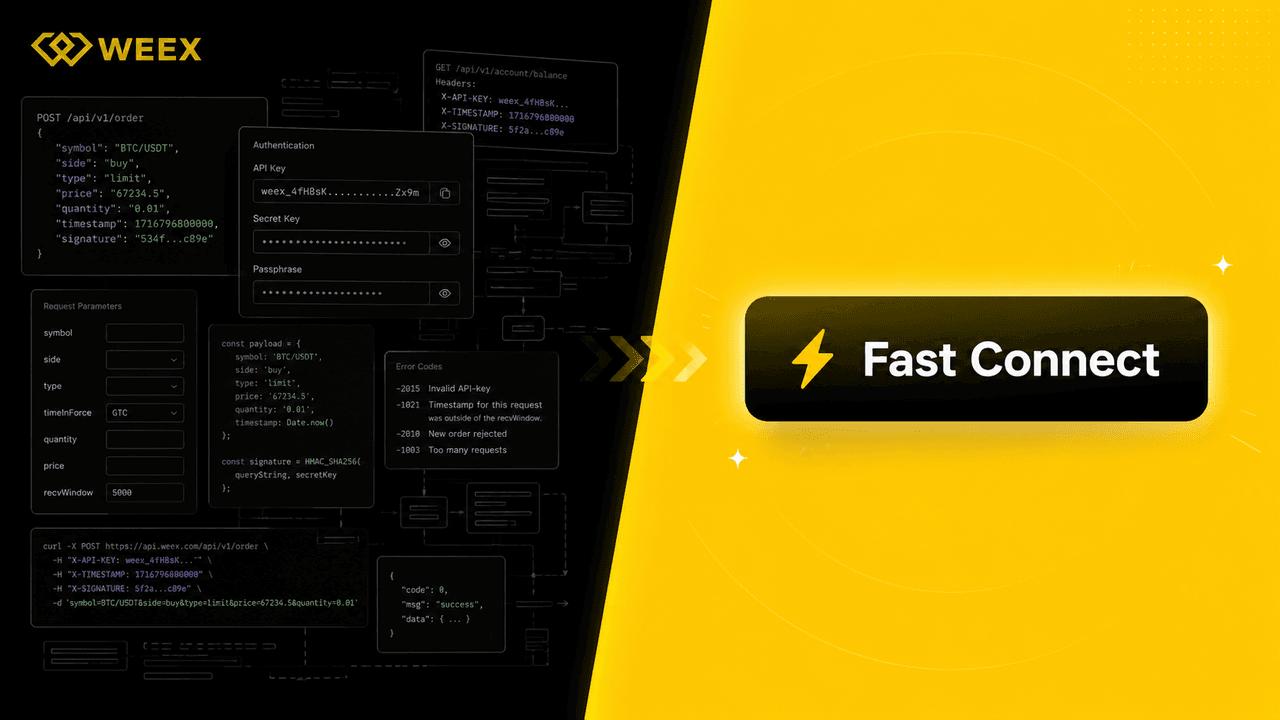
WEEX API Fast Connect: Turn Every Sign-In Into a Live Trader in Under 10 Seconds
WEEX API Fast Connect is a one-click OAuth authorization system that lets your users link their WEEX account without ever touching an API key. Frictionless onboarding, faster conversions, higher retention — built for WEEX Broker partners.
Bitcoin's dwindling exchange reserves don't pack the same bullish punch anymore
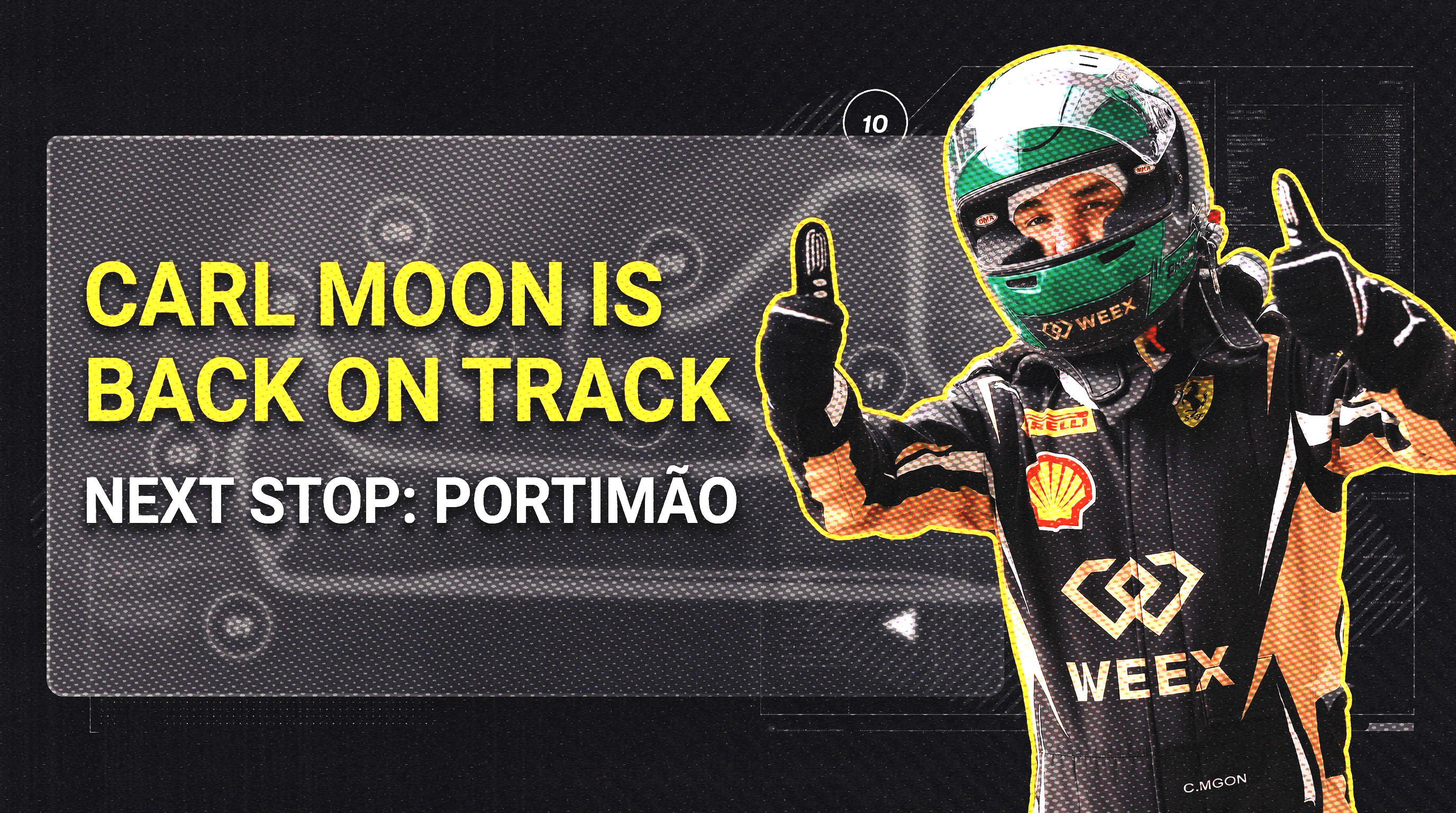
From Le Mans to the Rollercoaster: Carl Moon Takes On Portimão
Crypto world renowned KOL and racing driver Carl Moon, backed by WEEX, heads to the Ferrari Challenge Portugal round at the Algarve International Circuit, July 16–19, fresh off a podium finish at Le Mans. Here's why this race is one to watch.
Fast execution. Split-second accuracy. Security that never blinks. That's WEEX — and that's exactly how Carl races.

The Downfall of a Public Company: A $1.46 Billion Bet on WLFI, $540 Million Went to the Trump Family
Dragonfly Partner: BTC is Intergenerational Wealth, Optimistic About ETH and SOL
Goldman Sachs Calls to Go Long on Chinese AI: $4 Trillion Market Value Behind, Global Funds Only Allocated 1.2%
The New Landscape of Cryptocurrency in Europe: Why Germany Takes Center Stage?
What is SCEX? The Cryptocurrency Exchange for Vietnam's Market by Sacombank
Major Update for ChatGPT: Cross-Platform Functionality, One-Click Website Creation, and Lower Costs
BTC Challenges 64,000 After Breaking 63,000, Market Trading 'Manageable Risks'
As the Bubble Bursts, Who Dominates Attention in the AI Era? A 2026 Guide to Influential AI KOLs in China and the UK
Old Money in Crypto Shifts: Paradigm Raises $1.2 Billion, Half Bet on AI and Robotics
Bitdeer unveils $36M Nevada factory to shake up Bitcoin mining